
The 7 Lifestyle Levers That Quietly Transform Gut Health
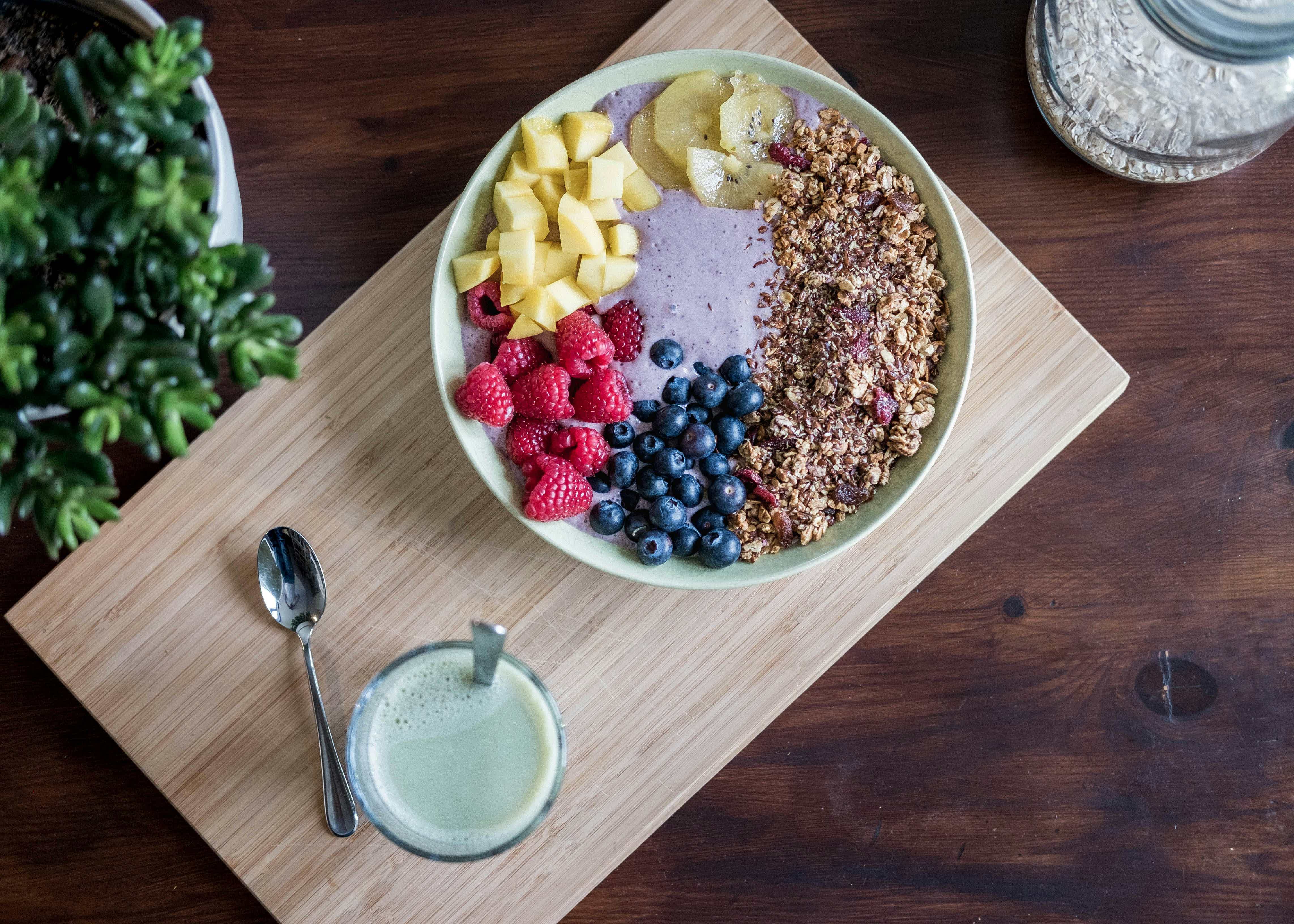
Most people are told to “fix their gut” with yet another impossibly restrictive diet or by buying a cabinet full of supplements.
While I do believe that both of those can have a place, in my practice, I see something surprising over and over: the biggest gut shifts often come from small, consistent lifestyle changes, NOT from the latest powder or diet fad.
I think of these as lifestyle levers, everyday habits you can gently move to change symptoms like bloating, constipation, loose stools, reflux, and general digestive discomfort. https://pmc.ncbi.nlm.nih.gov/articles/PMC3264926/
Individually, each lever seems simple. BUT together, they quietly transform how your gut feels and functions.
Here are seven levers I return to again and again with patients.
Lever 1: How (and when) you eat, not just what
What you eat matters, but how you eat can make the difference between a comfortable meal and an evening of bloating and gas.
Common patterns I see:
-Eating quickly in 5–10 minutes
-Eating while driving, scrolling, or working(meaning you are "distracted")
-Skipping meals, then eating a huge portion late in the day
Why does this matter? These habits increase swallowed air, reduce chewing, and keep your nervous system in “fight or flight” instead of “rest and digest.”
Small shifts to try:
-Sit down for meals whenever you can(even for 10–15 minutes.)
-Take 5 slow breaths before you start eating. This primes your nervous system.
-Aim to chew more than you think you need to; the food should be soft before you swallow.
Try to have at least one “protected” meal a day with no screens and no multitasking.
These aren’t fancy, but they directly affect motility, enzyme release, and how your gut experiences a meal.
Lever 2: Your daily movement pattern
Your gut is not a separate system; it responds to how often, and how intensely, you move.
Sedentary days can slow motility, contribute to constipation, and make you feel heavy and sluggish.
On the flip side, very intense workouts on an under‑fueled or stressed body can aggravate reflux, loose stools, or cramping in some people.
Supportive movement for your gut often looks like:
-Regular walking (especially after meals)
-Gentle to moderate exercise most days, instead of “all‑or‑nothing” weekend bursts
-A mix of walking, light strength work, and activities you actually enjoy (pickleball totally counts)
Why does this matter? Think of movement as a massage and rhythm cue for your digestive system.
Lever 3: Fiber balance, not fiber extremes
Fiber has a bit of a PR problem: it’s either ignored or overdone.
Too little fiber can lead to sluggish bowels, incomplete emptying, and a feeling of heaviness.
A sudden jump from low fiber to massive salads, beans, and cruciferous veggies can mean gas, cramping, and bloating.
Your gut usually prefers gradual changes.
Practical steps:
-Take an honest look at your current baseline, how many grams of fiber are you actually eating per day? You might be surprised(most people are shocked at how little fiber they actually consume)
-Increase slowly: add 1 extra serving of fruit or veg and keep it there for a few days before increasing again.
-Include some cooked vegetables, not just raw, which many people find easier to tolerate.
-Make sure you’re drinking enough water to match your fiber intake.
The goal isn’t a perfect number; it’s finding the level and types of fiber that your gut handles comfortably.
Lever 4: Hydration and what you’re drinking
It’s not just about “eight glasses of water.” Hydration and beverage choices affect motility, stool consistency, and reflux.
Common patterns I see:
-Lots of coffee or caffeinated tea, but very little plain water
-Sugary drinks or frequent juices that spike blood sugar and can worsen some GI symptoms
-Carbonated drinks that add to gas and bloating for sensitive people
-Drinking large volumes of fluid with meals, which can worsen fullness or reflux in some
Simple experiments:
-Track your total fluid intake for a couple of days to see where you’re starting.
-Aim to shift more of your fluids toward plain water or herbal teas.
-If you’re very reliant on carbonated drinks, try reducing volume or switching one per day to non‑bubbly.
-Notice whether very large drinks right before or with meals worsen your bloating or reflux.
Why does this matter? Small, steady hydration improvements change how comfortably things move through your system.
Lever 5: Your sleep and circadian rhythm
Your gut has its own internal clock. It likes rhythm: regular sleep, regular wake time, and relatively predictable meals.
Short, choppy, or very late sleep can:
-Increase gut sensitivity to normal gas and distension
-Disrupt motility (more constipation for some, more loose stools for others)
-Amplify stress and anxiety, which feeds back into the gut
You don’t have to be perfect, but your digestion often improves when you:
-Keep a relatively consistent bedtime and wake time, even on weekends
-Protect the 60–90 minutes before bed from heavy work, news, or bright screens
-Avoid very large, heavy meals right before you lie down
Why this matters? When your nervous system can downshift at night, your gut usually behaves better during the day.
Lever 6: Stress load and the brain–gut axis
Your gut and your brain are in constant conversation.
For many of my patients, their gut is not “broken”, it’s over‑signaling under chronic stress.
You might notice:
-Symptoms ramp up on busy or emotionally intense days
-Bloating and cramps are better on vacation
-Your GI symptoms flare with poor sleep or unresolved stress
This doesn’t mean the symptoms are “in your head.” It means the wires between your brain and gut are extra reactive.
Supportive practices:
-Short, realistic stress resets: a 5–10 minute walk, a few rounds of slow breathing, stepping away from your desk to eat
-Boundaries around work and email, especially at night
-Therapy, coaching, or other mind–body tools if you feel constantly “on”
Why this matters? Even modest improvements in your stress load often translate into calmer digestion.
Lever 7: Meal composition and timing (without perfectionism)
You do not need the “perfect gut diet.”
However, certain patterns in what you eat and when you eat can nudge your gut toward calm or chaos.
Common aggravators:
-Long stretches with no food, then very large, rich meals
-Very high sugar and refined carbs, especially without protein or fat
-Heavy, greasy meals late at night
-Constant grazing with no real breaks between eating
Helpful patterns for many people:
-Regular meals with a source of protein, some healthy fat, and fiber
-Spacing meals enough to allow digestion (versus constant snacking)
-Earlier, lighter dinners if you struggle with reflux or nighttime bloating
-Not over‑correcting with extreme fasting or crash diets unless medically supervised
-Think of your day as a rhythm: your gut likes to know roughly what’s coming and when.
Why these levers matter more than “one magic supplement”
Supplements can be useful tools, and I use them in practice often.
But if the levers above are all “off,” supplements often act like Band‑Aids.
When we tweak your lifestyle levers, even a little:
-Bloating often decreases
-Bowel movements become more predictable and complete
-Reflux episodes may calm down
Your nervous system feels less on edge about every sensation in your abdomen
Then, if we do add targeted testing, nutrition changes, or supplements, they tend to work better and faster.
When to seek more personalized help
Lifestyle is powerful, but it’s not everything. You should get a thorough medical evaluation and not rely only on self‑experiments if you notice:
-Unintentional weight loss
-Blood in your stool or black, tarry stools
-Persistent vomiting
-Trouble swallowing
-Severe or worsening pain
-Fever with abdominal symptoms
-Strong family history of GI cancers or inflammatory bowel disease
-Symptoms that wake you from sleep regularly
Even if none of these are present, if you’ve tried the basics and your gut still feels off most days, that’s a sign it may be time for a deeper, individualized assessment.
How I can support you
In my practice, I use these seven levers as a foundation and then layer on:
-Detailed history and pattern recognition
-Appropriate testing when needed
-Nutrition, supplement, and lifestyle strategies tailored to you, not a generic protocol
If you’re ready to stop guessing and start working with your gut in a more strategic way, you can schedule a consultation to see if we are a good fit for each other.